
What Scientists Actually Found Inside An Ancient Asteroid

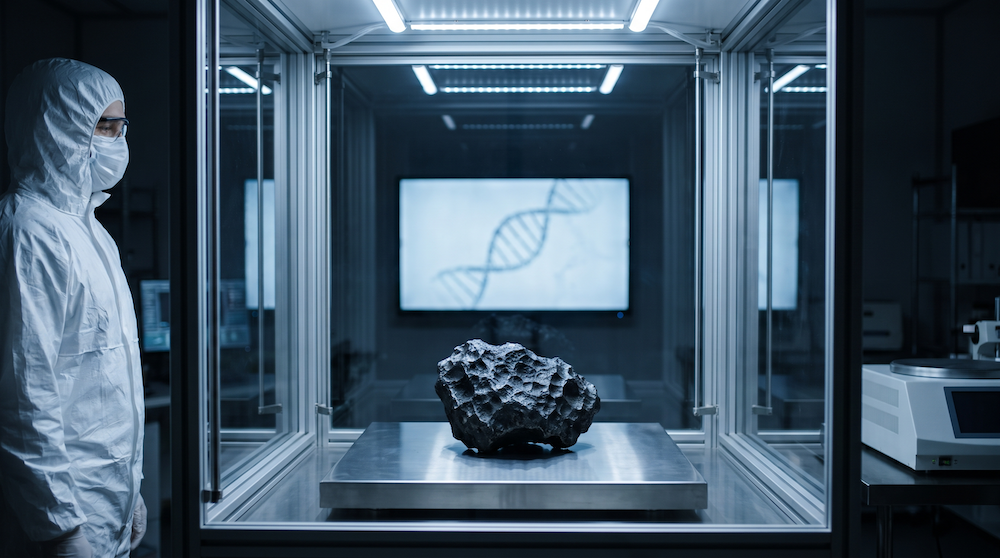
The headline went everywhere: human DNA detected in a 2-billion-year-old meteorite.
It is not true. No DNA, let alone human DNA, was detected in a meteorite — what was actually found were simple compounds that scientists have known are common in meteorites for decades. Fact-checkers flagged the claim as misinformation, and the story kept spreading anyway.
Here's the frustrating part. The real finding underneath the fake headline is far more interesting, and almost nobody read that far.
What was actually found
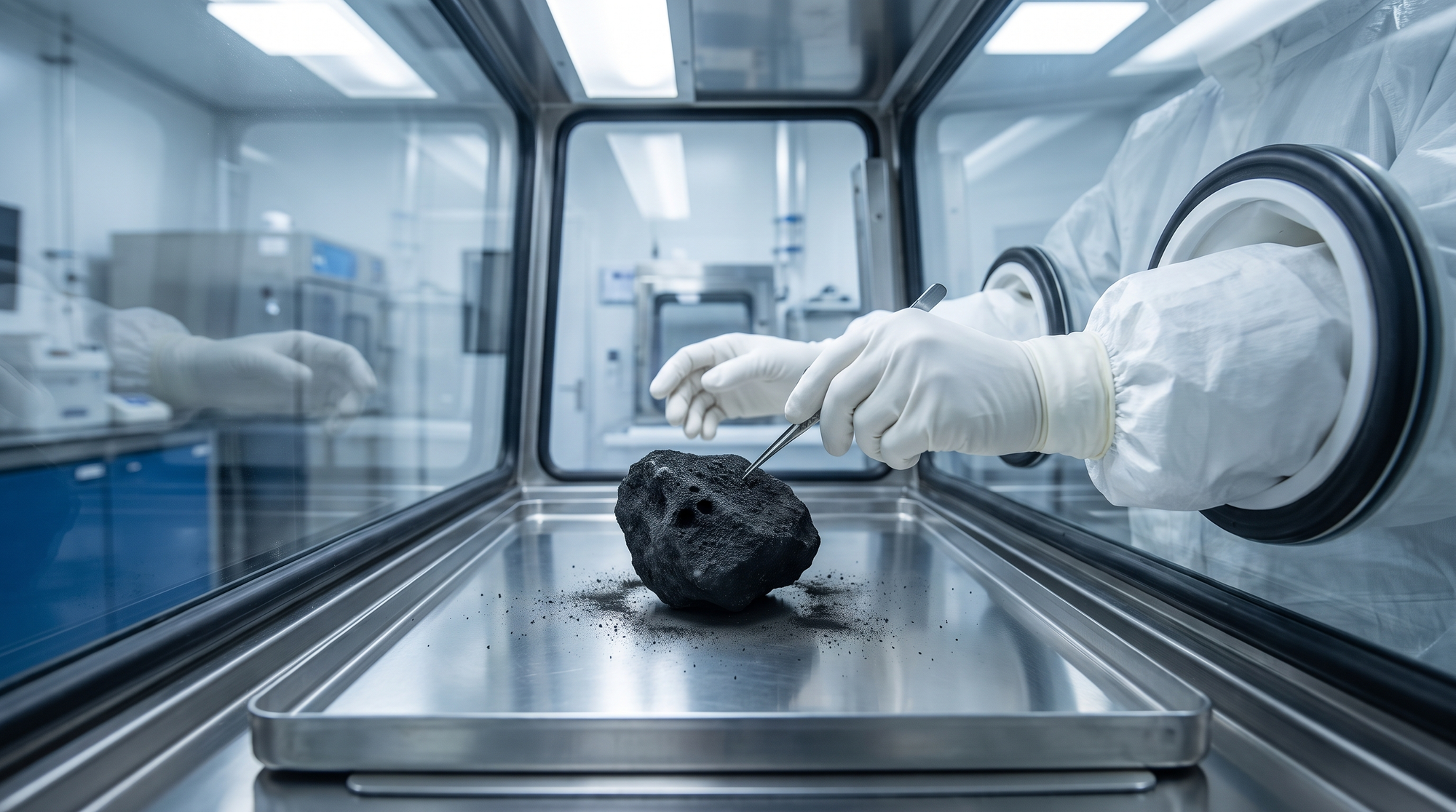
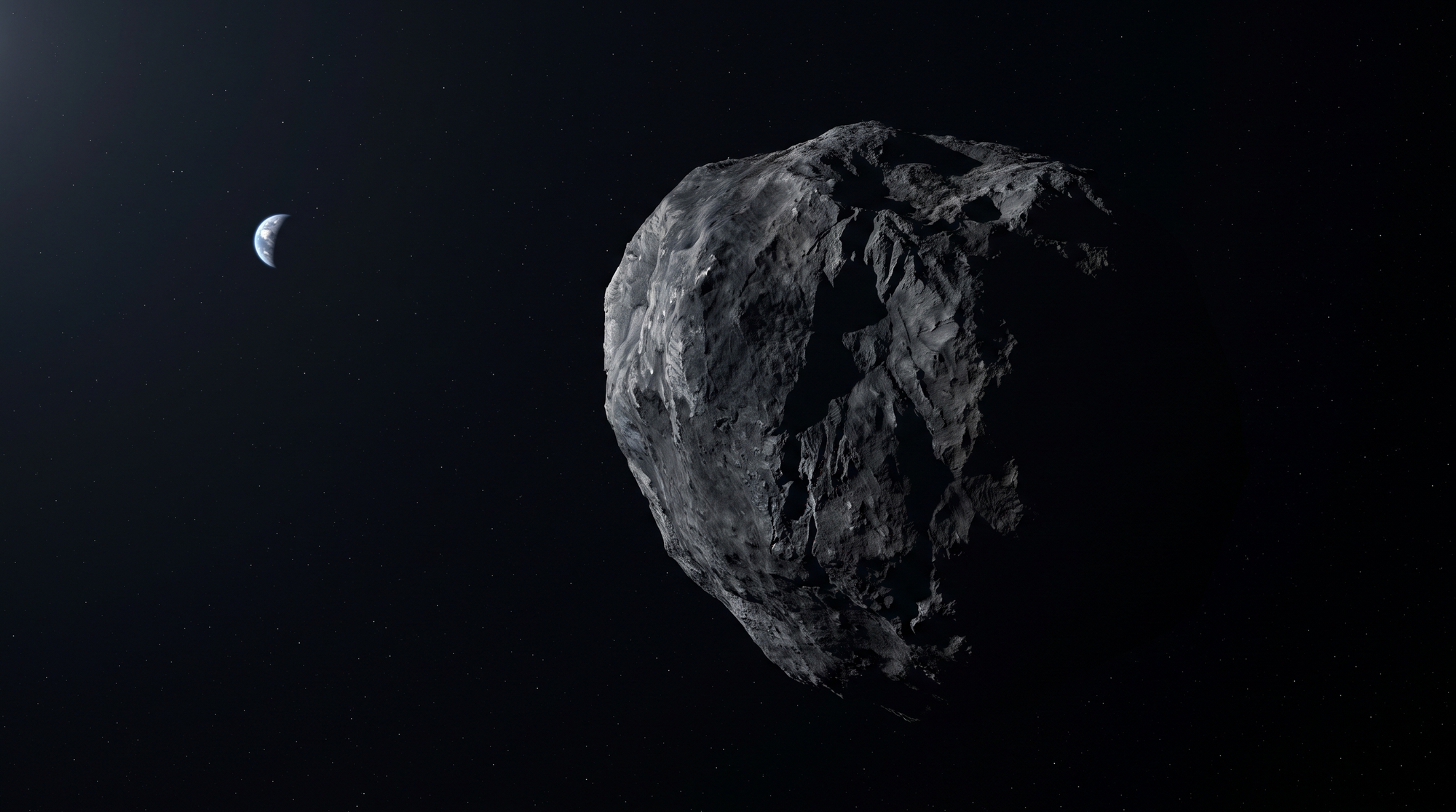
NASA's OSIRIS-REx mission brought back samples from the asteroid Bennu. In January 2025, scientists reported that those samples contained 14 of the 20 amino acids used by life on Earth, plus chemical precursors of DNA and RNA, along with carbon, ammonia and salts.
That is not human DNA. It's the ingredients list.
The mission's lead scientist put it in a way I think is close to perfect: Bennu is essentially a pantry full of ingredients, but the conditions weren't right to make a cake — and on Earth we have cake, and we don't know why.
That single sentence contains the entire actual mystery, and the viral version buried it under a lie.
Why the DNA claim is physically impossible
Even setting aside the source, the claim collapses on chemistry.
DNA is a fragile molecule. Left in the open under cosmic radiation for billions of years, it does not survive — it degrades. This is well understood, and even outlets sympathetic to the story acknowledged that DNA isn't expected to last that long under those conditions.
The oldest DNA ever recovered on Earth is around two million years old, from frozen Greenland sediment. That's a thousand times younger than the age in this headline, and it took ideal permafrost conditions.
Two billion years of unshielded space radiation isn't a preservation environment. It's a shredder.
This has happened before
In 1996, NASA announced it had found microfossils inside a Martian meteorite recovered in Antarctica. President Clinton announced it from the White House lawn. The finding was later debunked.
That case is worth knowing because it followed the exact same shape: extraordinary claim, enormous coverage, quiet retraction that nobody read. The rock, ALH84001, is still studied today — recent work has used it to reconstruct the history of Mars's magnetic field, which is genuinely valuable science and gets a fraction of the attention the fake version did.
The idea that is real
Strip out the hoax and there's still a serious scientific hypothesis here: panspermia.
The version scientists take seriously doesn't require alien microbes surviving a trip through space. It only requires chemistry. Earth went through a molten phase early on, so anything organic already here would have burned away — which raises the possibility that the ingredients arrived later, delivered by the same impacts that brought our oceans.
If asteroids carry amino acids and nucleobases, and those molecules exist throughout the galaxy, then the recipe for biology may not be unique to Earth at all.
Some researchers go further. Mars cooled faster than Earth, so it may have been ready for life sooner — which is why the physicist Paul Davies has said it's entirely possible we're all descendants of Martians.
That's a real, publishable, defensible idea. It just doesn't come with a headline as good as "human DNA in a meteorite."
My take
What bothers me about this story isn't that someone made it up. It's the trade the fake makes.
The invented version answers the question: we came from space, mystery solved, here's your DNA. The real version leaves the question wide open — we've now found the ingredients of life sitting on a rock older than life itself, and we still cannot explain the step from ingredients to living thing.
The hoax is a full stop. The truth is a question mark. And the question mark is the more astonishing of the two, because it means the most important event in the history of this planet is still unexplained, and we're holding physical evidence of the moment just before it happened.
Every viral science headline works this way. It takes something genuinely strange and swaps it for something merely dramatic.
The verdict
- No DNA of any kind has been found in a meteorite.
- What Bennu's samples contained were amino acids and the chemical precursors of DNA and RNA.
- DNA cannot survive billions of years of cosmic radiation.
- The 1996 Martian microfossil claim ran the same course and was debunked.
We didn't find ourselves in a rock.
We found the shopping list — and still can't work out who did the cooking.